Maison Pierre Marcolini – premium belgian chocolates


Our growers and their plantations
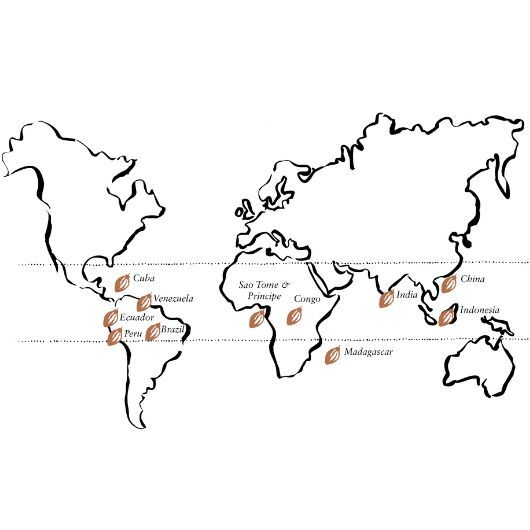
The Origins of Our Cocoa Beans
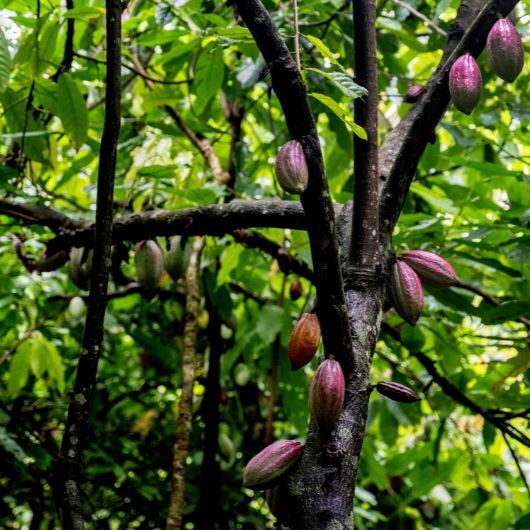
Native cocoa tree plantations are found in tropical regions located between 20° North and 20° South of the Equator. They require abundant rainfall (120–180 cm/year), high and steady temperatures (between 20 and 32°C), a high humidity level (65–100%), and plenty of shade.
This region is known as “The Cocoa Belt.”
This region is known as “The Cocoa Belt.”
Our growers
China
Origin: Hainan Island, in the south of the country.
Terroir: Xing Long
Cocoa Bean Variety: Trinitario
Specificity / Anecdote:
First-ever worldwide export of these cocoa beans outside of China.
A highly exclusive origin: Pierre Marcolini is the first chocolatier in the world able to produce chocolate using these cocoa beans.
An exclusive sourcing partnership has been established with this plantation.
Hainan Island enjoys a tropical monsoon climate with lush biodiversity. Cocoa trees were planted there in the last century.
Terroir: Xing Long
Cocoa Bean Variety: Trinitario
Specificity / Anecdote:
First-ever worldwide export of these cocoa beans outside of China.
A highly exclusive origin: Pierre Marcolini is the first chocolatier in the world able to produce chocolate using these cocoa beans.
An exclusive sourcing partnership has been established with this plantation.
Hainan Island enjoys a tropical monsoon climate with lush biodiversity. Cocoa trees were planted there in the last century.
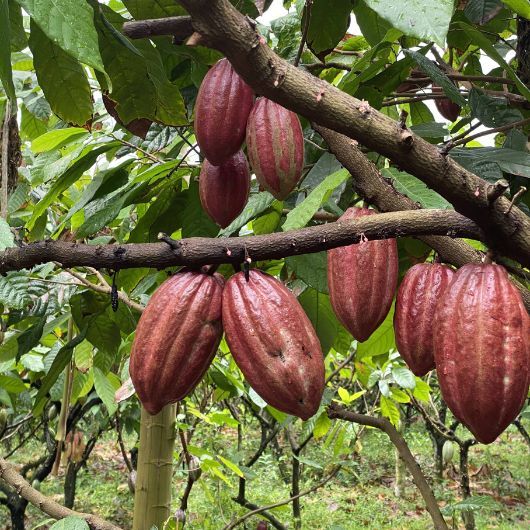
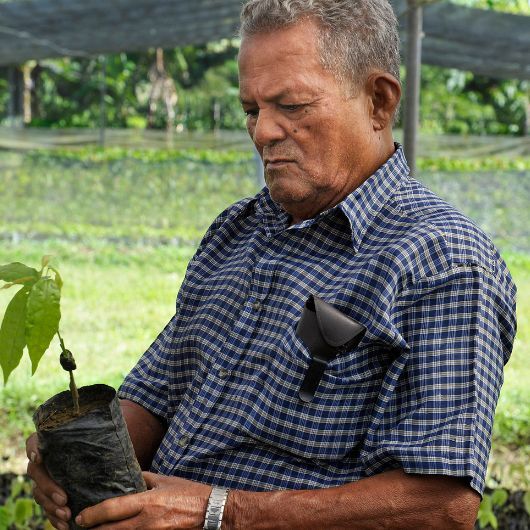
Cuba
Origin: Baracoa, a small coastal town tucked away in the depths of Oriente, between beaches overlooking the Caribbean Sea and lush mountains.
Terroir: Baracoa Terroir Association
Cocoa Bean Variety: Ancient Caribbean Trinitario
Specificity / Anecdote:
The Baracoa beans are very old varieties that have preserved all their character thanks to the region’s extreme isolation. Because of this, local growers have not faced pressure from industrial lobbies pushing for excessive productivity. The terroir remains intact.
A highly exclusive origin: Only 2 or 3 chocolatiers in the world are fortunate enough to source cocoa from Cuba.
A controlled-origin certification is expected soon for the Baracoa region, similar to that of Chuao in Venezuela.
Terroir: Baracoa Terroir Association
Cocoa Bean Variety: Ancient Caribbean Trinitario
Specificity / Anecdote:
The Baracoa beans are very old varieties that have preserved all their character thanks to the region’s extreme isolation. Because of this, local growers have not faced pressure from industrial lobbies pushing for excessive productivity. The terroir remains intact.
A highly exclusive origin: Only 2 or 3 chocolatiers in the world are fortunate enough to source cocoa from Cuba.
A controlled-origin certification is expected soon for the Baracoa region, similar to that of Chuao in Venezuela.
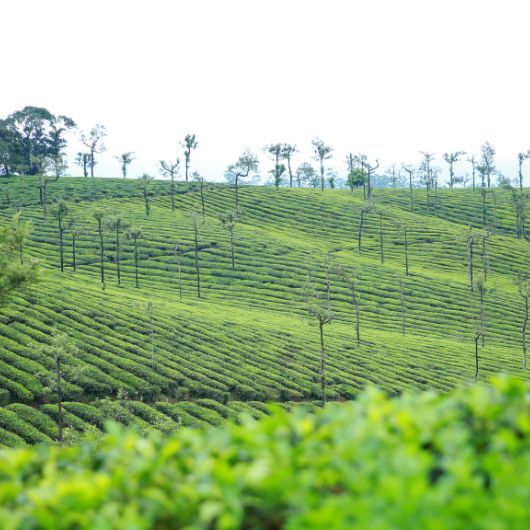
India
Origin: Tamil Nadu, Pollachi, Kerala
Terroir: Regal Plantation
Cocoa Bean Variety: Amelonado
Specificity / Anecdote:
In the state of Tamil Nadu, at the heart of the Regal plantations, our Amelonado cocoa beans are carefully cultivated by three families.
Below the misty mountains of Pollachi, the cocoa trees thrive among coconut palms, banana trees, nutmeg trees, pepper plants, teak, and mahogany — forming a natural ecosystem where cows and zebu roam freely. Discover a chocolate with unique aromas, born from rich agricultural tradition and unparalleled biodiversity.
Terroir: Regal Plantation
Cocoa Bean Variety: Amelonado
Specificity / Anecdote:
In the state of Tamil Nadu, at the heart of the Regal plantations, our Amelonado cocoa beans are carefully cultivated by three families.
Below the misty mountains of Pollachi, the cocoa trees thrive among coconut palms, banana trees, nutmeg trees, pepper plants, teak, and mahogany — forming a natural ecosystem where cows and zebu roam freely. Discover a chocolate with unique aromas, born from rich agricultural tradition and unparalleled biodiversity.
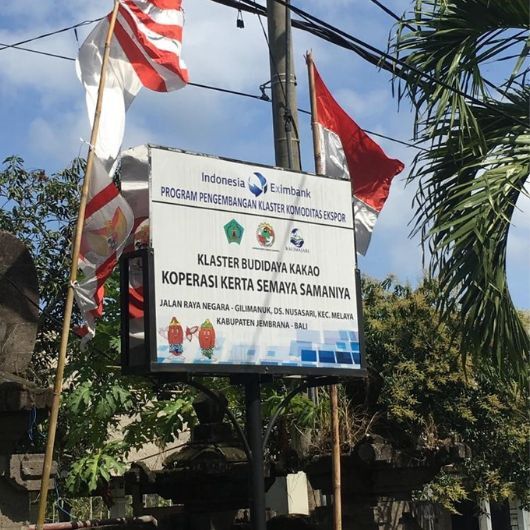
Indonesia
Origin: Bali, Jembrana
Terroir: Kalimajari Cooperative
Bean variety: Trinitario
Specificity / anecdote:
Kalimajari is an NGO and cooperative that supports the empowerment of local communities: 600 families, grouped into 38 farmer groups, cultivate cocoa there with full respect for the environment.
Terroir: Kalimajari Cooperative
Bean variety: Trinitario
Specificity / anecdote:
Kalimajari is an NGO and cooperative that supports the empowerment of local communities: 600 families, grouped into 38 farmer groups, cultivate cocoa there with full respect for the environment.
Madagascar
Origin: Ambanja region, northwest of Madagascar
Estate: Bejofo agroforestry farm
Bean variety: Trinitario
Specificity / anecdote:
The Bejofo farm is a family-run farm that is part of a cocoa estate established in 1920. Planted with Criollo and Trinitario, the trees are identified and their pods are harvested separately.
The plantation is a fine example of agroforestry, with integrated crops including ylang-ylang, coffee trees, and pepper plants… This helps protect the natural ecosystems.
Estate: Bejofo agroforestry farm
Bean variety: Trinitario
Specificity / anecdote:
The Bejofo farm is a family-run farm that is part of a cocoa estate established in 1920. Planted with Criollo and Trinitario, the trees are identified and their pods are harvested separately.
The plantation is a fine example of agroforestry, with integrated crops including ylang-ylang, coffee trees, and pepper plants… This helps protect the natural ecosystems.
Peru
Origin: Piura
Terroir: Norandino Cooperative
Bean variety: Gran Nativo Blanco
Specificity / anecdote:
Peru is considered one of the cradles of wild, original cacao.
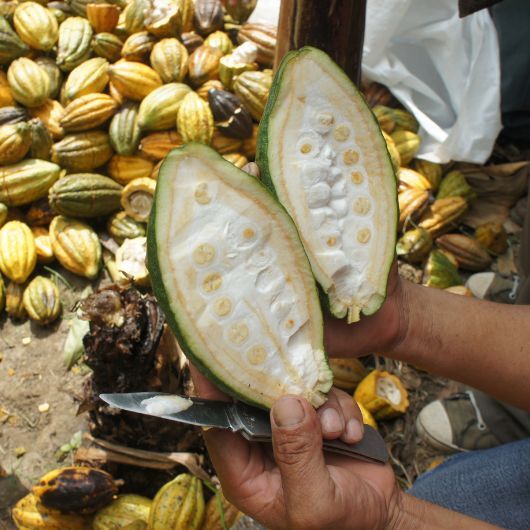
The cacao from the Piura terroir is commonly called “Gran Blanco” because its cocoa beans are white, giving the chocolate a lighter color.
The beans come from the Norandino cooperative. Since 2007, Norandino has focused on cacao grown in the El Alto valley in Piura, often by the same communities that cultivate coffee at higher altitudes.
Terroir: Norandino Cooperative
Bean variety: Gran Nativo Blanco
Specificity / anecdote:
Peru is considered one of the cradles of wild, original cacao.
The cacao from the Piura terroir is commonly called “Gran Blanco” because its cocoa beans are white, giving the chocolate a lighter color.
The beans come from the Norandino cooperative. Since 2007, Norandino has focused on cacao grown in the El Alto valley in Piura, often by the same communities that cultivate coffee at higher altitudes.
São Tomé & Principe
Origin: Guadeloupe, central and southern part of the island
Terroir: Village Project
Bean variety: Amelonado
Specificity / anecdote:
“São Tomé & Príncipe, the first parcel of the African continent touched by the grace of cacao.” – Pierre Marcolini
“Iles Chocolat,” an archipelago that has preserved its spectacular plant biodiversity.
The organic cacao from São Tomé comes from a project run by Satocao called the “Village Project.”
Launched in 2011, this project aims to develop a center of excellence for autonomous villagers: commercial relationships have been established between no fewer than 8,000 small and medium farmers and 7 certified organic communities.
Terroir: Village Project
Bean variety: Amelonado
Specificity / anecdote:
“São Tomé & Príncipe, the first parcel of the African continent touched by the grace of cacao.” – Pierre Marcolini
“Iles Chocolat,” an archipelago that has preserved its spectacular plant biodiversity.
The organic cacao from São Tomé comes from a project run by Satocao called the “Village Project.”
Launched in 2011, this project aims to develop a center of excellence for autonomous villagers: commercial relationships have been established between no fewer than 8,000 small and medium farmers and 7 certified organic communities.
Venezuela
Origin: Chuao
Terroir: Empresa Campesina de Chuao
Bean variety: Primitive Criollo
Specificity / anecdote:
Chuao is the first controlled designation of origin — the most expensive and rarest cacao beans in the world.
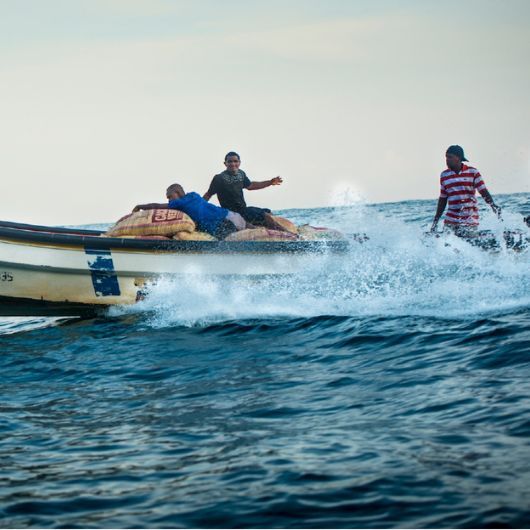
This plantation is accessible only by sea. Production is extremely limited and cannot exceed 25 tonnes.
The Empresa Campesina, the cooperative responsible for harvesting Chuao cacao, is also the owner of the Chuao estate.
The specificity and uniqueness of Chuao come from its history, its traditions, and its exceptional organoleptic qualities. Post-harvest processes have remained unchanged for 400 years, passed down from generation to generation.
Terroir: Empresa Campesina de Chuao
Bean variety: Primitive Criollo
Specificity / anecdote:
Chuao is the first controlled designation of origin — the most expensive and rarest cacao beans in the world.
This plantation is accessible only by sea. Production is extremely limited and cannot exceed 25 tonnes.
The Empresa Campesina, the cooperative responsible for harvesting Chuao cacao, is also the owner of the Chuao estate.
The specificity and uniqueness of Chuao come from its history, its traditions, and its exceptional organoleptic qualities. Post-harvest processes have remained unchanged for 400 years, passed down from generation to generation.
D.R. Congo
Origin: Kivu Province
Terroir: Plantations of the Rwenzori region
Bean variety: Trinitario
Particularity / Anecdote:
The Virunga National Park is located in the eastern part of the Democratic Republic of Congo, near the borders with Uganda and Rwanda. It is one of the oldest national parks in Africa, renowned for its exceptional biodiversity and home to an endangered population of gorillas. The park is also marked by armed conflicts and significant conservation challenges.
Coming from the northern region of Virunga National Park, these beans are carefully cultivated by families of growers. In this area marked by conflict, farming families join forces to produce exceptional cocoa, ensuring impeccable quality and exemplary traceability thanks to the support of agronomists.
These beans are the result of a project aimed at preserving the surrounding nature and local agriculture.
Terroir: Plantations of the Rwenzori region
Bean variety: Trinitario
Particularity / Anecdote:
The Virunga National Park is located in the eastern part of the Democratic Republic of Congo, near the borders with Uganda and Rwanda. It is one of the oldest national parks in Africa, renowned for its exceptional biodiversity and home to an endangered population of gorillas. The park is also marked by armed conflicts and significant conservation challenges.
Coming from the northern region of Virunga National Park, these beans are carefully cultivated by families of growers. In this area marked by conflict, farming families join forces to produce exceptional cocoa, ensuring impeccable quality and exemplary traceability thanks to the support of agronomists.
These beans are the result of a project aimed at preserving the surrounding nature and local agriculture.
Brazil
Origin: Bahia
Terroir: Fazenda Leolinda
Bean variety: Catongo, Forastero blanco
Particularity / Anecdote:
Grand Cru from the “Fazenda Leolinda” estate located in the Bahia region, on the Atlantic coast of Brazil.
Originally from the terroir of Fazenda Leolinda in the Bahia region, this bean with 81% cocoa content is cultivated on the Atlantic coast of Brazil.
With its surprising white color, the Forastero bean—now mostly produced in Africa—actually originates from this region of Latin America. Its robustness allowed it to be transported to Africa by the Spanish. Yet it is in his “Fazenda Leolinda” that João Tavarez, a true specialist in post-harvest processes (fermentation and drying), cultivates his cacao in a deeply idealistic manner, firmly refusing to use genetic techniques that would allow him to increase production.
These plantations, all certified organic, also carry a profound human dimension that lends the place an additional sense of nobility: around twenty families live there, and a school has been established to welcome their children.
Terroir: Fazenda Leolinda
Bean variety: Catongo, Forastero blanco
Particularity / Anecdote:
Grand Cru from the “Fazenda Leolinda” estate located in the Bahia region, on the Atlantic coast of Brazil.
Originally from the terroir of Fazenda Leolinda in the Bahia region, this bean with 81% cocoa content is cultivated on the Atlantic coast of Brazil.
With its surprising white color, the Forastero bean—now mostly produced in Africa—actually originates from this region of Latin America. Its robustness allowed it to be transported to Africa by the Spanish. Yet it is in his “Fazenda Leolinda” that João Tavarez, a true specialist in post-harvest processes (fermentation and drying), cultivates his cacao in a deeply idealistic manner, firmly refusing to use genetic techniques that would allow him to increase production.
These plantations, all certified organic, also carry a profound human dimension that lends the place an additional sense of nobility: around twenty families live there, and a school has been established to welcome their children.
Ecuador
Origin: Vinces, Los Ríos
Terroir: Finca La Fortuna
Bean variety: Ecuador Nacional Arriba
Particularity / Anecdote:
Nestled in the Los Ríos region in the center of the country, this family-run plantation is managed by its second generation, Walter Carriel. It is part of a project gathering around twenty plantations led by Rafael Burgos who, with the support of Espol University and funding from the European Union, works to preserve the Nacional Ecuador Arriba.
Locals call this flavor “Arriba,” meaning “from up the river.” Historically, dried beans were transported by boat along the Babahoyo River and carried downstream to Guayaquil, the main port.
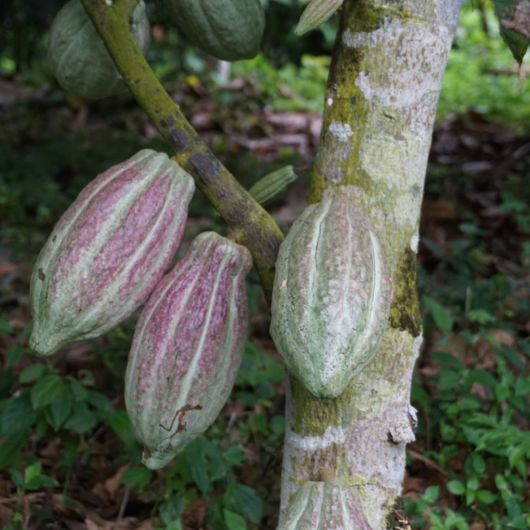
Representing less than 1% of global cocoa production, this very special variety—deep purple in color and found only in Ecuador—is now endangered due to the spread of hyper-productive hybrids.
Terroir: Finca La Fortuna
Bean variety: Ecuador Nacional Arriba
Particularity / Anecdote:
Nestled in the Los Ríos region in the center of the country, this family-run plantation is managed by its second generation, Walter Carriel. It is part of a project gathering around twenty plantations led by Rafael Burgos who, with the support of Espol University and funding from the European Union, works to preserve the Nacional Ecuador Arriba.
Locals call this flavor “Arriba,” meaning “from up the river.” Historically, dried beans were transported by boat along the Babahoyo River and carried downstream to Guayaquil, the main port.
Representing less than 1% of global cocoa production, this very special variety—deep purple in color and found only in Ecuador—is now endangered due to the spread of hyper-productive hybrids.
Your search
{{searchStr}}
({{products.length}} Result)
({{products.length}} Results)
Filters
Filters






Your search
{{searchStr}} (0 result)
No results were found for your search
A few tips to help you:
- Be more generic, you can then filter the results.
- Check the spelling of the entered words.
- If you are looking for a product from the catalogue, type its reference directly (ex: 15452)
- If you still cannot find your product, do not hesitate to contact us or visit our nearest store.
loading